One 40' Standard - containerised Incinerator, and understand you can help us with the procurement of the same.Waste type or application : General and Medicine
Capacity kgs / hour : 75 to 350
Hospital and Laboratory equipment. .
One of our valued customer is interested to purchase a Hospital Waste incinerator as per following specifications:
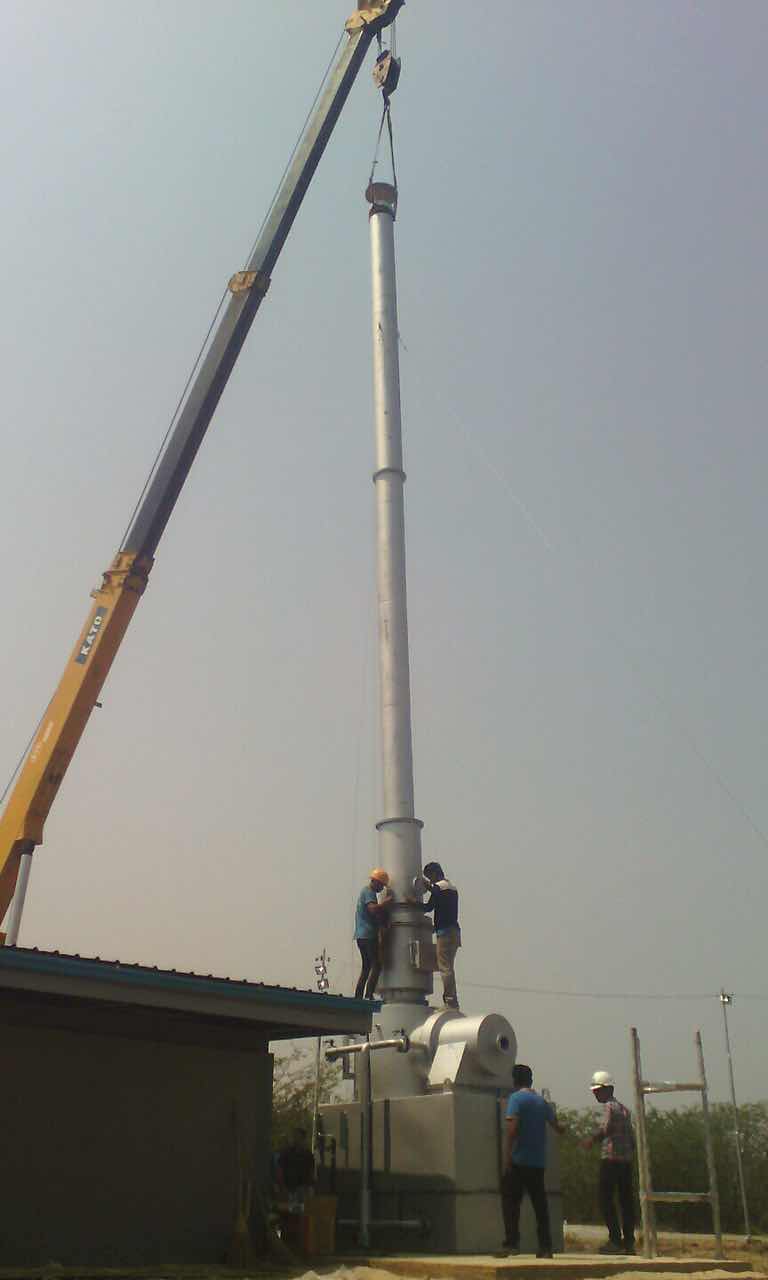
Hospital waste incinerator
Capacity: 50 Kg / Hour
Brand new complete working unit
Burners: Dual fired (Gas and diesel)
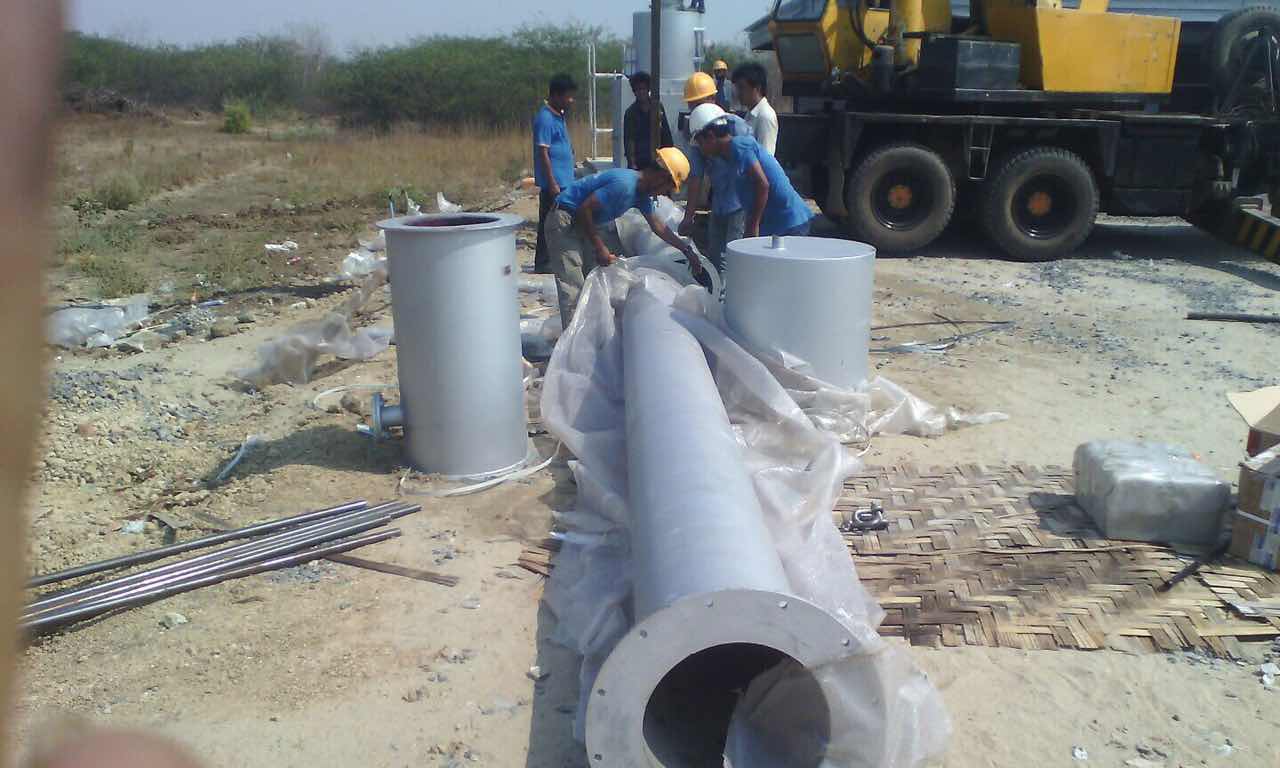
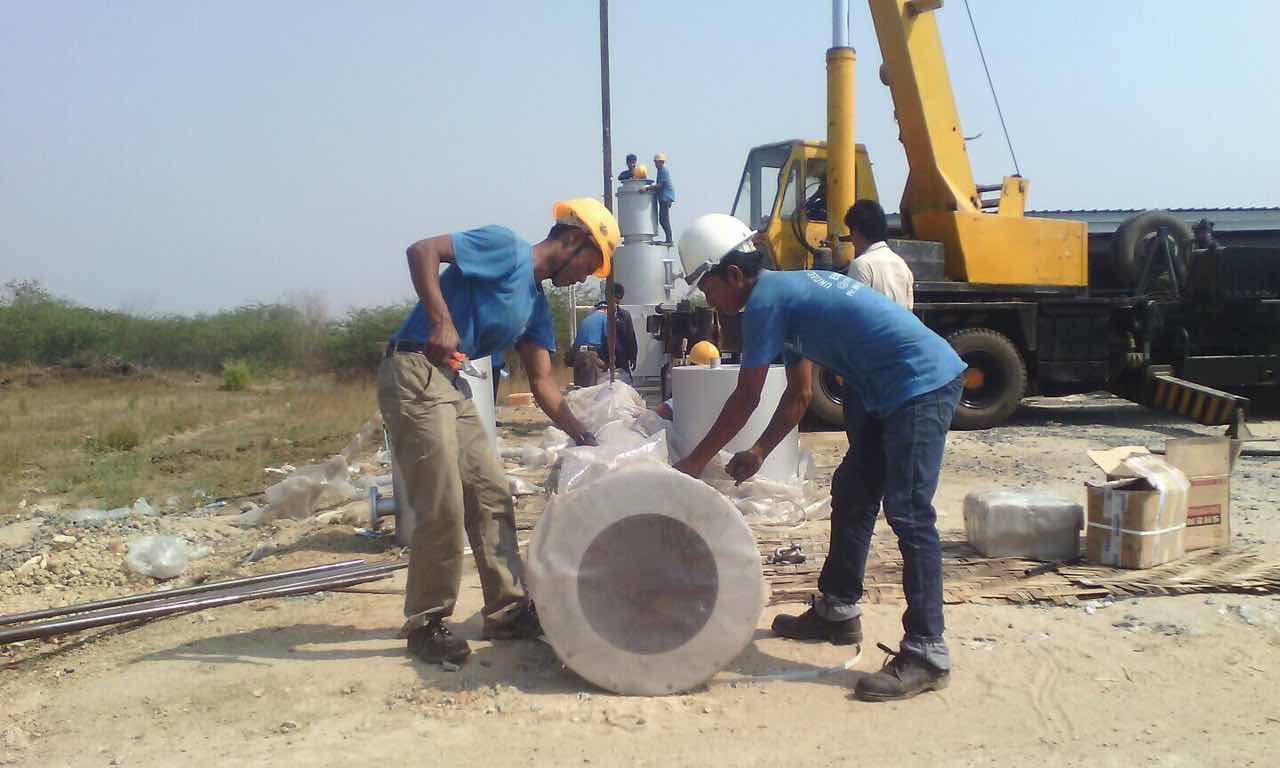
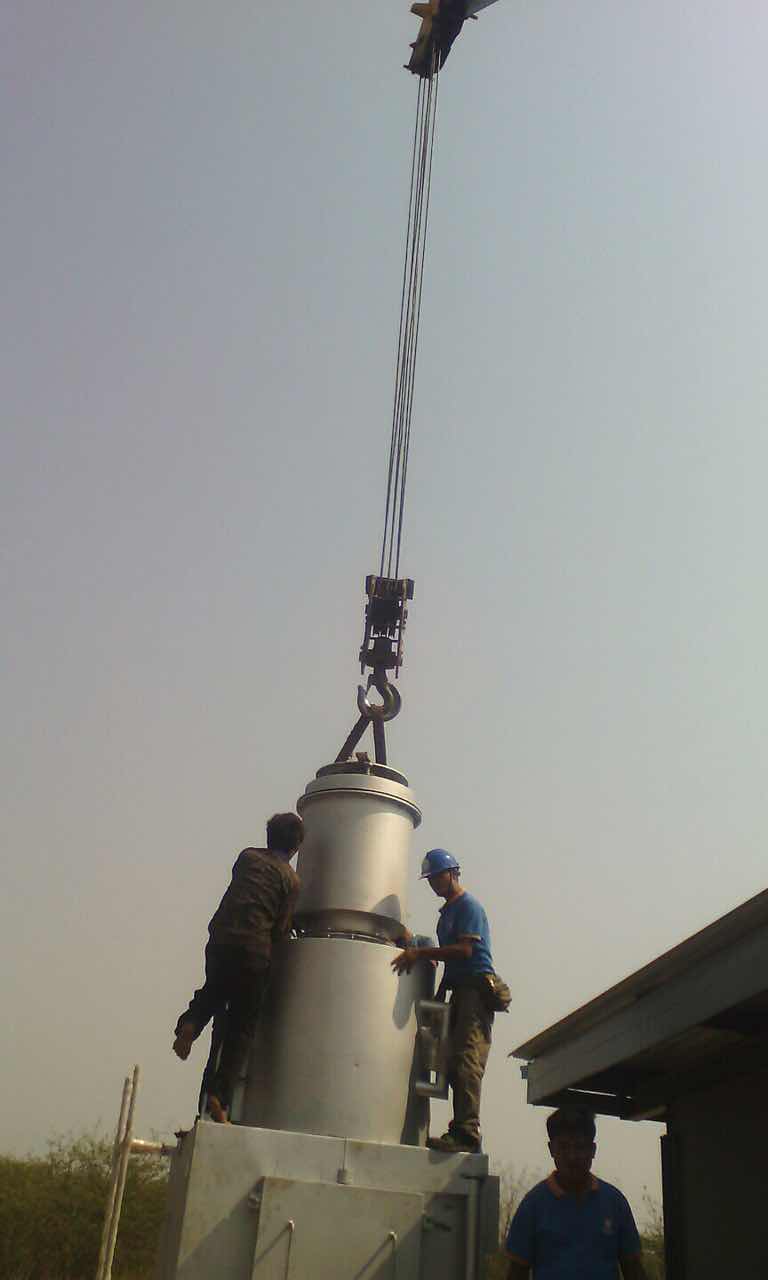
20ft container with an incinerator plant for burning solid waste including the following main items:
1. INCINERATOR
2. SPARK ARRESTER
3. FLUE GAS STACK / EXHAUST PIPE
4. DIESEL OIL DAYTANK 400 L NET
5. INTEGRATED FIRE FIGHTING SYSTEM
6. INSTRUCTION MANUALS
7. SPARE PARTS FOR 1 YEARS OPERATION
medical waste incinerator is from 2.5 to 3 cubic meters and it's capacity is from 60 t0 100kg per hour.
Orignal From: containerised Hospital waste incinerator
Monday, December 26, 2016

small hospital waste incinetor
WASTE INCINERATOR
- 150 KG/HR
- Compliant with EU rules, Directive 2000/76/EC
- Fuel type: Diesel
- Easy management and maintenance
- Temperatures:
850 deg C for municipal waste
1000 deg C for medical waste
1100 deg C for dangerous waste containing halogenated organic substances with content of chlorine or its compounds.a incinerator with an avarage burning capacity of 20-30kgs per hour and it should diesel or used motor oil, MEDICAL INCINERATORS, CAP: 3 TONS.producer of small hospital waste incinetor - for our clients (hospitals)
Orignal From: small hospital waste incinetor
- 150 KG/HR
- Compliant with EU rules, Directive 2000/76/EC
- Fuel type: Diesel
- Easy management and maintenance
- Temperatures:
850 deg C for municipal waste
1000 deg C for medical waste
1100 deg C for dangerous waste containing halogenated organic substances with content of chlorine or its compounds.a incinerator with an avarage burning capacity of 20-30kgs per hour and it should diesel or used motor oil, MEDICAL INCINERATORS, CAP: 3 TONS.producer of small hospital waste incinetor - for our clients (hospitals)
Orignal From: small hospital waste incinetor
waste disposal incinerator
Incinerator but the size of chamber > 2000 x >1200 mm. Prepare for burn LIQUID Waste +/- 20 liter/hr.
Fueled by Heavy OIL Burner.waste disposal incinerator, capable of handling both wet and dry garbage.. Which include house hold wastes and dry leaves.
The chamber of the incinerator should be able to hold about 200 - 250 kilogram of waste at a given time. edical Waste Incinerators.
The mobile unit is our priority then the fixed units. Medical Waste Incinerators. The mobile unit is our priority then the fixed units.
a; Batch Capacity for each model, how much load can we put in one time. I need tio under stand in term of batch load one time I can ut in Kgs.
b: Burning capacity per hour, to know how much time it will take to burn one batch and what is cooling timem for each one.
c: How many batch can we put in each day basis per 24 hours.
d: Most of systems will be run on Gas, so I need to know the required pressure of gas in psi to run the system without any problem.
e; I do wish to know an average life of system and after how many years we need the repair of linning etc.
2. What is your minimum capacity and maximum capacity incinerator.
3. You do provide secodn hand incinerator in good working condition.
4. We need only double chamber double burner incinerator.
5. Please send us DEFRA and DADR approval reports by attachment, copy of ISO and summary of gas emmission report from incinerators.
Orignal From: waste disposal incinerator
Fueled by Heavy OIL Burner.waste disposal incinerator, capable of handling both wet and dry garbage.. Which include house hold wastes and dry leaves.
The chamber of the incinerator should be able to hold about 200 - 250 kilogram of waste at a given time. edical Waste Incinerators.
The mobile unit is our priority then the fixed units. Medical Waste Incinerators. The mobile unit is our priority then the fixed units.
a; Batch Capacity for each model, how much load can we put in one time. I need tio under stand in term of batch load one time I can ut in Kgs.
b: Burning capacity per hour, to know how much time it will take to burn one batch and what is cooling timem for each one.
c: How many batch can we put in each day basis per 24 hours.
d: Most of systems will be run on Gas, so I need to know the required pressure of gas in psi to run the system without any problem.
e; I do wish to know an average life of system and after how many years we need the repair of linning etc.
2. What is your minimum capacity and maximum capacity incinerator.
3. You do provide secodn hand incinerator in good working condition.
4. We need only double chamber double burner incinerator.
5. Please send us DEFRA and DADR approval reports by attachment, copy of ISO and summary of gas emmission report from incinerators.
Orignal From: waste disposal incinerator
Thursday, December 15, 2016
Wednesday, December 14, 2016
Saturday, November 26, 2016


Thursday, November 24, 2016
Medical Waste Incinerator BID
1. Technical specifications;
I. Size of the Incinerator 4,410W x 3,037L x 4,836H mm
II. Capacity of the Incinerator Medical waste 50 kg/hr. batch feeding (low degree caloric value: 4,000 5,000kcal/kg)
III. Utility
Utility condition for the incineration equipment operating is the following.
1) Fuel: Light oil or Kerosene
2) Electricity
Motor
-0.1 — 110kW: AC 220V x 3PH x 50Hz
- Below 0.1kW: AC 220V x 1PH x 50Hz Control Circuit
- MCC control: AC 220V x 1PH x 50Hz
- Instrument: AC 220V x 1PH x 50Hz
- Switch Gear: AC 220V x 1PH x 50Hz
2. Door -to-door transportation, Installation, Commissioning and Training
3. Pricing quotation
- Price needs to be provided in Ethiopian Birr (incl. VAT)
- Price should include additional cost elements such as freight, insurance, installation and training for key human resource, until acceptance duty where applicable
Orignal From: Medical Waste Incinerator BID
I. Size of the Incinerator 4,410W x 3,037L x 4,836H mm
II. Capacity of the Incinerator Medical waste 50 kg/hr. batch feeding (low degree caloric value: 4,000 5,000kcal/kg)
III. Utility
Utility condition for the incineration equipment operating is the following.
1) Fuel: Light oil or Kerosene
2) Electricity
Motor
-0.1 — 110kW: AC 220V x 3PH x 50Hz
- Below 0.1kW: AC 220V x 1PH x 50Hz Control Circuit
- MCC control: AC 220V x 1PH x 50Hz
- Instrument: AC 220V x 1PH x 50Hz
- Switch Gear: AC 220V x 1PH x 50Hz
2. Door -to-door transportation, Installation, Commissioning and Training
3. Pricing quotation
- Price needs to be provided in Ethiopian Birr (incl. VAT)
- Price should include additional cost elements such as freight, insurance, installation and training for key human resource, until acceptance duty where applicable
Orignal From: Medical Waste Incinerator BID
Monday, August 8, 2016
hospital for burning hazardous waste and chimicals
use in the hospital for burning hazardous waste and chimicals, minimum Capacity 300 per hour. I will be reselling to my client?. Below is the information I was given and nothing else. The hospital incinerator for use in the clinical waste as required by international environmental management. Minimum 300 Kg capacity/hr, Fuel fired, refractory lined, chimney and sampling prot. Minimum temperature of 1100 degree Celsiu.the incinerator machine for burn 500kg per hour. project about burn medical waste of the hospitals.Just want to price of you various types of Medical Rubbish Incinerators.need all information on 300 kg per hour unit. availability. operational costs using diesel (other).the waste is Human Tissues. And we have 10 kg per day; we need incinerator for medical waste.Burn Capacity: 50kgs per hour (Average capacity according to Medical Waste).please forward information about pricing on all of you pet crematory models.Regarding Gas Incinerator, Please note that Fuel for the Incinerator
will be Gas. As gas is chip in our country.
Orignal From: hospital for burning hazardous waste and chimicals
will be Gas. As gas is chip in our country.
Orignal From: hospital for burning hazardous waste and chimicals
Friday, April 22, 2016




Monday, April 18, 2016
How many infectious medical waste?
Polaris Energy saving News: With the extensive use of the health care industry and the
development of medical disposable products, medical waste generation is growing rapidly.
The latest data show that there were 261, in the city to the community solid waste
pollution prevention information, only these 261 cities this year, medical waste volume
reached 547,500 tons.
Another one statistics show that at the end of 2012, the total number of medical
institutions of 950 297 beds 5.7248 million, according to an average of 1 kg per bed
medical waste each day, the total amount of medical waste generated in the country each
year to reach 200 million tons.
Faced with such a huge amount of waste generated, but many cities are composed of one or a
small number of waste disposal in a single way of handling medical waste incineration. Once
a case of waste incineration plants shut down, the government and the hospital in the
management of medical waste and daily operations, will face enormous challenges.
In fact, hospital waste generated a large part of municipal solid waste and similar low-
risk waste, about 75% to 90%, the remaining 10% to 25% are considered harmful, it may pose
a health risk, hospitals infectious waste is generally not more than 10% of the total
garbage. Reduce the amount of waste generated must be effective category management as the
premise, but now garbage classification level of the hospital, worrying.
Medical waste collection is key to the implementation of environmentally sound management
of medical wastes, but most Chinese hospitals do not pay attention to the sort processing
medical waste, and open place, no obvious signs, classification level is not high.
General hospital with normal household trash bins and yellow medical, hospital and clinic
staff told Post logo, the swab and other body fluids come into contact with the patient
garbage into yellow garbage bag. But the reporter visited some hospitals found that blood
tests and outpatient medical room yellow garbage bags of medical waste both regions, but
also paper, food packaging and other general household waste.
A survey conducted in a hospital in Wuhu, Anhui Province shows that at some medical
personnel classification concept is unclear, non-infectious waste, such as medical supplies
packaging, special medical waste mixed with yellow bag. Although such an approach did not
cause harm to the spread of disease, but it increases the cost of processing medical waste.
Survey on the status of management and disposal of medical waste in a primary hospital also
showed that the passing rate of garbage deposited only 45%. The survey also pointed out
that a lot of medical waste in the absence of sterilization, transported to the transfer
station processing, which may cause secondary pollution garbage occur during transport.
Many local medical waste disposal fee is calculated according to bed, the amount of waste
generated by hospitals not directly related to the processing fee paid. If the hospital
improve the management level, reducing the amount of waste generated, and the same number
of beds, garbage fees will not be reduced, so that is not conducive to encouraging
hospitals source waste separation and reduction.
Medical waste are complicated, including infectious wastes, pathological wastes, chemical
wastes and damaging waste, etc., relating to different textile materials, plastics, glass,
metal and human organizations, a single treatment is difficult to achieve for a variety of
medical garbage harmless treatment.
For different types of medical waste, we have a different processing method and apparatus
have been developed and used around the world. In order to reduce global pollution of
dioxins and furans, the Stockholm Convention on Persistent Organic Pollutants and the World
Health Organization recommends the use of other alternative forms burned. Autoclaving is
probably the most widely used non-burning disinfection, in addition to chemical processing
technology, processing technology and microwave plasma processing technology.
China is now widely used is incineration, this approach tends to produce large amounts of
harmful gas mixture, including hydrochloric acid, dioxins and furans, as well as toxic
metals lead, cadmium and mercury.
A more complete medical waste incineration system shall include the feed system,
incinerator, combustion air system, start the ignition and burn-assisted system, flue gas
purification system, and the residue handling system, automatic monitoring system and
emergency system, which flue gas cleaning system is used to cut dioxin, mercury and other
highly toxic substances by incineration. However, research shows that some old equipment
medical incinerators, waste is a direct smoke exhaust emissions.
South China Institute of Environmental Sciences once a medical waste incineration plant in
Guangdong Province as the research object, through the collection and analysis incineration
plant and the surrounding soil and plant samples, PAHs understand incineration plant (PAHs)
distribution, sources and pollution levels. The results show that medical incinerators soil
surrounding a certain degree of contamination of PAHs detected in the soil 16 polycyclic
aromatic hydrocarbons, PAHs total amount ranging 11.83ng / g ~ 788.24ng / g, mean 236.681ng
/ g; in the study area downwind of the prevailing winds in the soil, total PAHs were
significantly higher than the prevailing winds soil content, and the total concentration of
PAHs in soil increases with distance showed a gradual decrease.
Orignal From: How many infectious medical waste?
development of medical disposable products, medical waste generation is growing rapidly.
The latest data show that there were 261, in the city to the community solid waste
pollution prevention information, only these 261 cities this year, medical waste volume
reached 547,500 tons.
Another one statistics show that at the end of 2012, the total number of medical
institutions of 950 297 beds 5.7248 million, according to an average of 1 kg per bed
medical waste each day, the total amount of medical waste generated in the country each
year to reach 200 million tons.
Faced with such a huge amount of waste generated, but many cities are composed of one or a
small number of waste disposal in a single way of handling medical waste incineration. Once
a case of waste incineration plants shut down, the government and the hospital in the
management of medical waste and daily operations, will face enormous challenges.
In fact, hospital waste generated a large part of municipal solid waste and similar low-
risk waste, about 75% to 90%, the remaining 10% to 25% are considered harmful, it may pose
a health risk, hospitals infectious waste is generally not more than 10% of the total
garbage. Reduce the amount of waste generated must be effective category management as the
premise, but now garbage classification level of the hospital, worrying.
Medical waste collection is key to the implementation of environmentally sound management
of medical wastes, but most Chinese hospitals do not pay attention to the sort processing
medical waste, and open place, no obvious signs, classification level is not high.
General hospital with normal household trash bins and yellow medical, hospital and clinic
staff told Post logo, the swab and other body fluids come into contact with the patient
garbage into yellow garbage bag. But the reporter visited some hospitals found that blood
tests and outpatient medical room yellow garbage bags of medical waste both regions, but
also paper, food packaging and other general household waste.
A survey conducted in a hospital in Wuhu, Anhui Province shows that at some medical
personnel classification concept is unclear, non-infectious waste, such as medical supplies
packaging, special medical waste mixed with yellow bag. Although such an approach did not
cause harm to the spread of disease, but it increases the cost of processing medical waste.
Survey on the status of management and disposal of medical waste in a primary hospital also
showed that the passing rate of garbage deposited only 45%. The survey also pointed out
that a lot of medical waste in the absence of sterilization, transported to the transfer
station processing, which may cause secondary pollution garbage occur during transport.
Many local medical waste disposal fee is calculated according to bed, the amount of waste
generated by hospitals not directly related to the processing fee paid. If the hospital
improve the management level, reducing the amount of waste generated, and the same number
of beds, garbage fees will not be reduced, so that is not conducive to encouraging
hospitals source waste separation and reduction.
Medical waste are complicated, including infectious wastes, pathological wastes, chemical
wastes and damaging waste, etc., relating to different textile materials, plastics, glass,
metal and human organizations, a single treatment is difficult to achieve for a variety of
medical garbage harmless treatment.
For different types of medical waste, we have a different processing method and apparatus
have been developed and used around the world. In order to reduce global pollution of
dioxins and furans, the Stockholm Convention on Persistent Organic Pollutants and the World
Health Organization recommends the use of other alternative forms burned. Autoclaving is
probably the most widely used non-burning disinfection, in addition to chemical processing
technology, processing technology and microwave plasma processing technology.
China is now widely used is incineration, this approach tends to produce large amounts of
harmful gas mixture, including hydrochloric acid, dioxins and furans, as well as toxic
metals lead, cadmium and mercury.
A more complete medical waste incineration system shall include the feed system,
incinerator, combustion air system, start the ignition and burn-assisted system, flue gas
purification system, and the residue handling system, automatic monitoring system and
emergency system, which flue gas cleaning system is used to cut dioxin, mercury and other
highly toxic substances by incineration. However, research shows that some old equipment
medical incinerators, waste is a direct smoke exhaust emissions.
South China Institute of Environmental Sciences once a medical waste incineration plant in
Guangdong Province as the research object, through the collection and analysis incineration
plant and the surrounding soil and plant samples, PAHs understand incineration plant (PAHs)
distribution, sources and pollution levels. The results show that medical incinerators soil
surrounding a certain degree of contamination of PAHs detected in the soil 16 polycyclic
aromatic hydrocarbons, PAHs total amount ranging 11.83ng / g ~ 788.24ng / g, mean 236.681ng
/ g; in the study area downwind of the prevailing winds in the soil, total PAHs were
significantly higher than the prevailing winds soil content, and the total concentration of
PAHs in soil increases with distance showed a gradual decrease.

Orignal From: How many infectious medical waste?
Subscribe to:
Comments (Atom)